


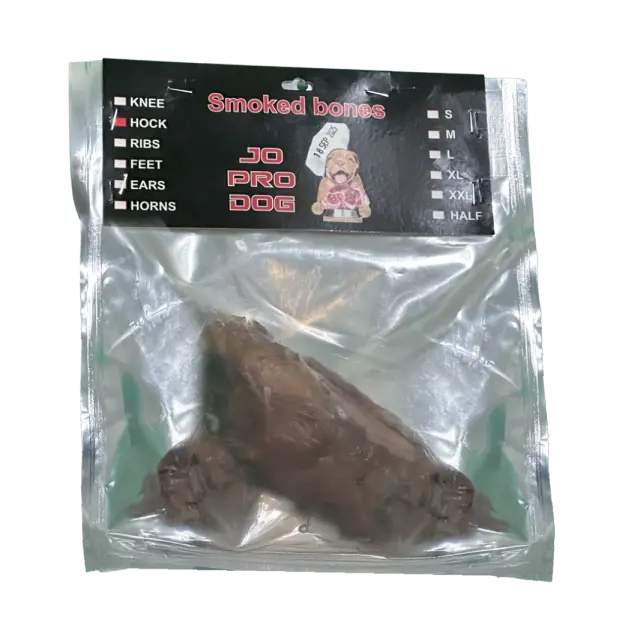
JO PRO DOG - Smoked Bone Hock -1 PCS
JO PRO DOG - Smoked Bone Hock -1 PCS
Couldn't load pickup availability
Delivery options and the final total are shown before you pay.
Delivery & returns
Have a product question? Contact Petzoya
Product details
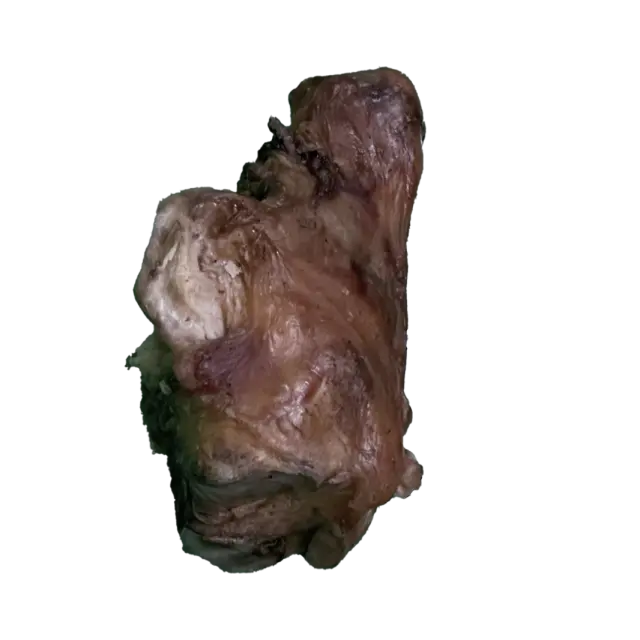
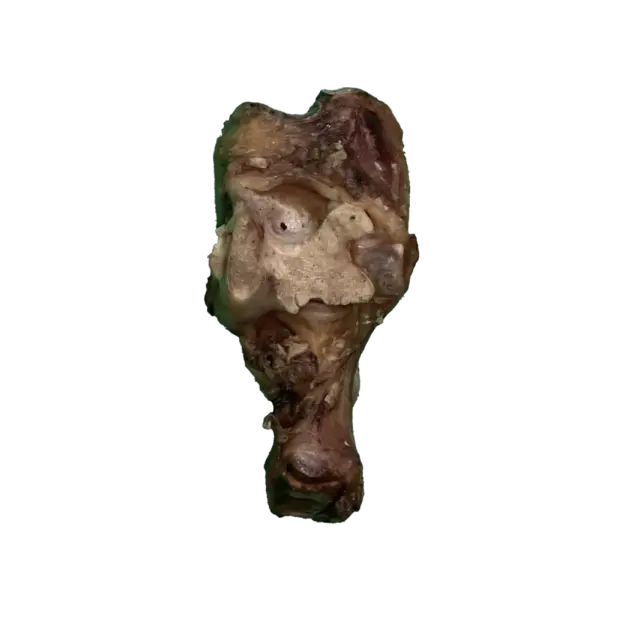
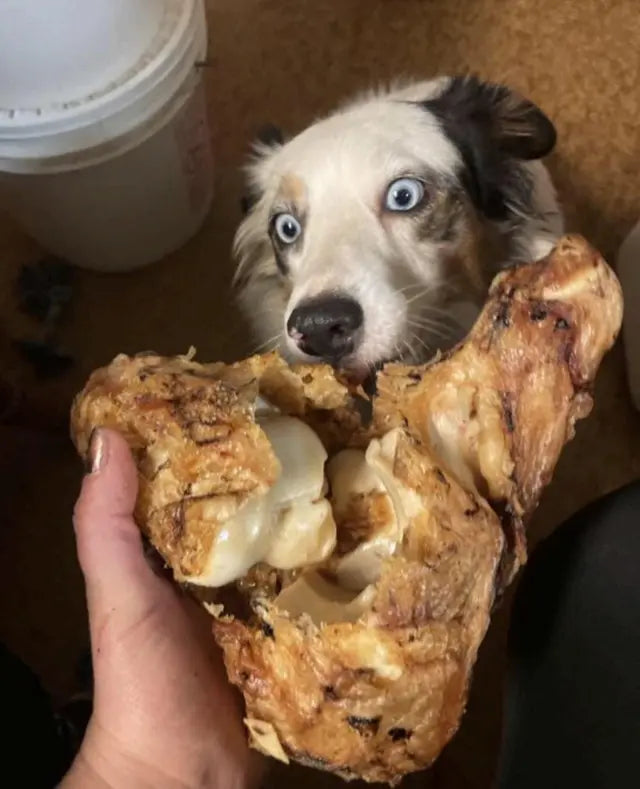
Smoked Bone Hock is a handmade, slow-smoked treat crafted in Jordan using organic ingredients. Ideal for dogs that love to chew, it's packed with natural flavor and free from additives or preservatives. A healthy, long-lasting reward straight from nature.
Frequently Asked Questions
Is the Smoked Bone Hock safe for my dog, and how should I supervise chewing?
Yes, the Smoked Bone Hock is safe when used correctly. As with all bone products, Petzoya emphasizes the critical importance of supervision. Always monitor your dog during chewing. Ensure the bone size is appropriate for your dog's breed and chewing style. If the bone splinters into small, sharp pieces or if your dog attempts to swallow large, end chunks, remove it immediately to prevent potential choking or gastrointestinal obstruction. We recommend limiting chewing sessions to 15-30 minutes.
What are the key benefits of this treat, and what is a "Hock" bone?
The Smoked Bone Hock is a leg joint bone, slow-smoked to enhance flavor and texture while preserving its natural nutrients. Its primary benefits include promoting dental health through natural abrasion that helps scrape away tartar, providing essential mental stimulation, and satisfying your dog's innate desire to chew. It is a single-ingredient, natural, and organic reward, free from artificial additives or preservatives.
Does this natural bone require special storage, and is it suitable for dogs with sensitivities?
As a dry, slow-smoked treat, the JO PRO DOG Smoked Bone Hock should be stored in a cool, dry environment away from direct sunlight and humidity. Refrigeration is not necessary. Since this product is single-ingredient, organic, and completely free from artificial additives or chemical preservatives, it is often a suitable choice for dogs dealing with common food sensitivities. However, always monitor your pet for individual adverse reactions.
How long will this treat last, and what size dog is it recommended for?
This is designed as a long-lasting, durable chew. The longevity depends heavily on the individual dog's chewing intensity. It is generally recommended for medium to large breeds and strong power chewers who need durable engagement. For very small breeds or senior dogs with sensitive teeth, the bone may be too hard, and consultation with a veterinarian is advised to ensure it doesn't cause excessive dental wear.